











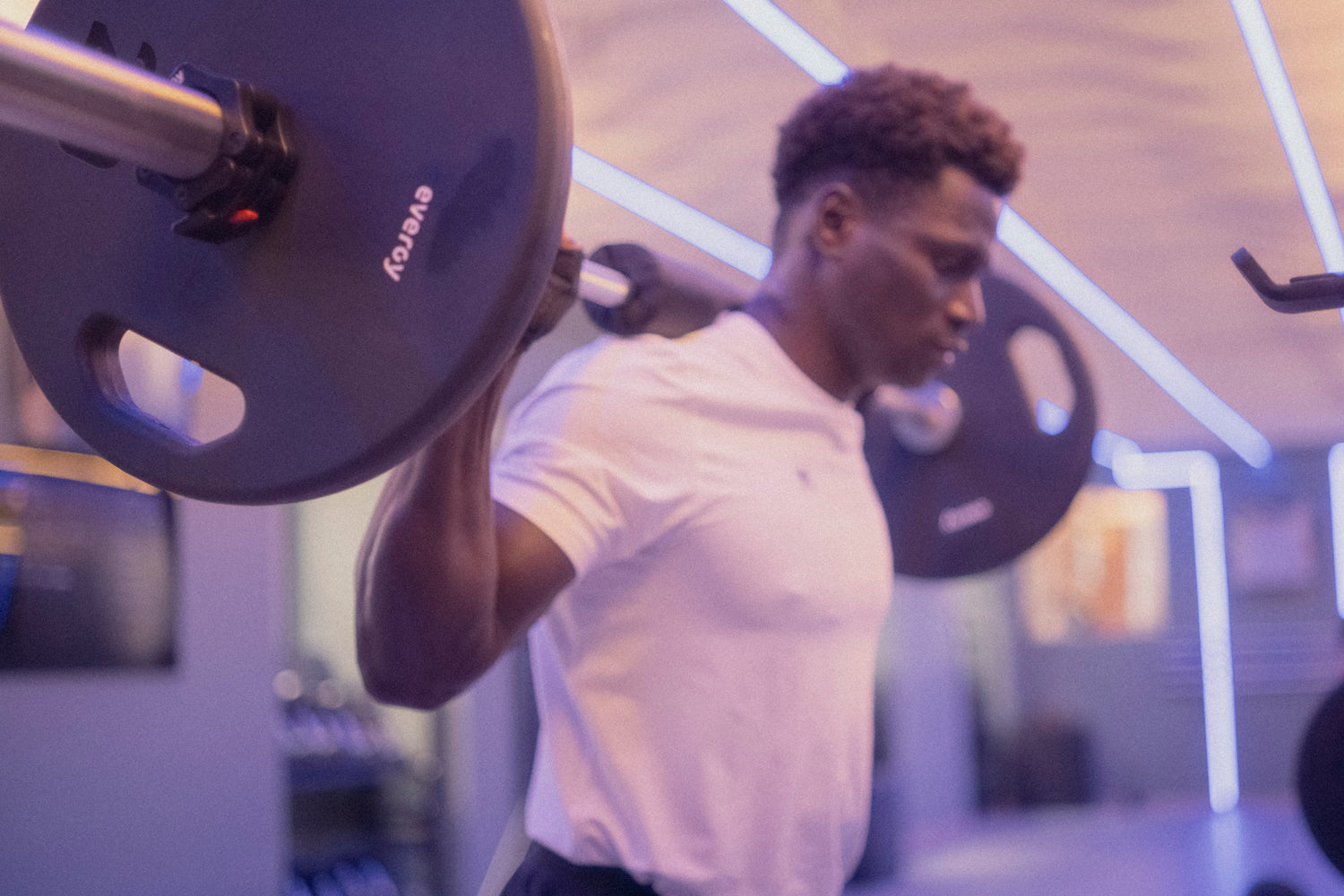
January usually comes with an automatic story: “I'm starting from scratch.” But the body doesn't work like that. After weeks with less routine, different schedules, more social life, less movement, you don't lose your physical identity: you just get a little out of adjustment. And what you have to do is not punish yourself, but rather readjust yourself with patience.
The difference between a January that holds up and one that goes out almost always comes down to two levers:
- how do you train again
- where do you train again
A key idea comes in here: training with intention is the focus. The training environment and the material, the strategy that makes it repeatable.
Train smart
Returning with patience is not gentle training. It is consciously training.
When you resume, what first suffers is not your ability to “do,” but your ability to tolerate: the volume, the impact, the density of sessions. That's why you can feel “strong”… but less fine, less coordinated, less stable.
Training with intention in January means accepting a simple truth:
priority is not a perfect session; is to recover continuity.
In practice:
- prioritize technique and control over intensity,
- raise one variable at a time (either load or volume, not both),
- Measure progress by the quality of movement and your ability to repeat without friction.
Premium mentality: It's not about doing more. It's about doing better, so you can do it again tomorrow.

The conscious return: three weeks of consistency
You don't need a complex plan. You need a sustainable plan.
Week 1
- 2–4 sessions
- moderate intensity
- focus: control, range, breathing
- ends with the feeling of “I could have done a little more”
Week 2
- adds load or volume, not both
- clean technique
- tolerable fatigue
Week 3
- calmly increase the intensity
- defines 1–2 metrics (load, reps, time)
- progress slowly
This approach is not conservative: it is strategic. Because what you are looking for is not to “come back strong” in seven days. You are looking to return stable in twenty-one.
The training environment influences
Here's what many people underestimate: the training environment is important and this is especially noticeable when you are resuming, because your tolerance for “noise” is lower.
The research in choice architecture (interventions that subtly modify the environment to influence behavior) shows that small environmental adjustments can change behaviors related to physical activity without depending so much on willpower.(Landais et al., 2020
Taken to a gym or home gym, it looks like this:
- if the material is at hand, you use it;
- If the space is organized, you execute;
- If the route is logical, you don't improvise;
- If the environment is good, you stay.
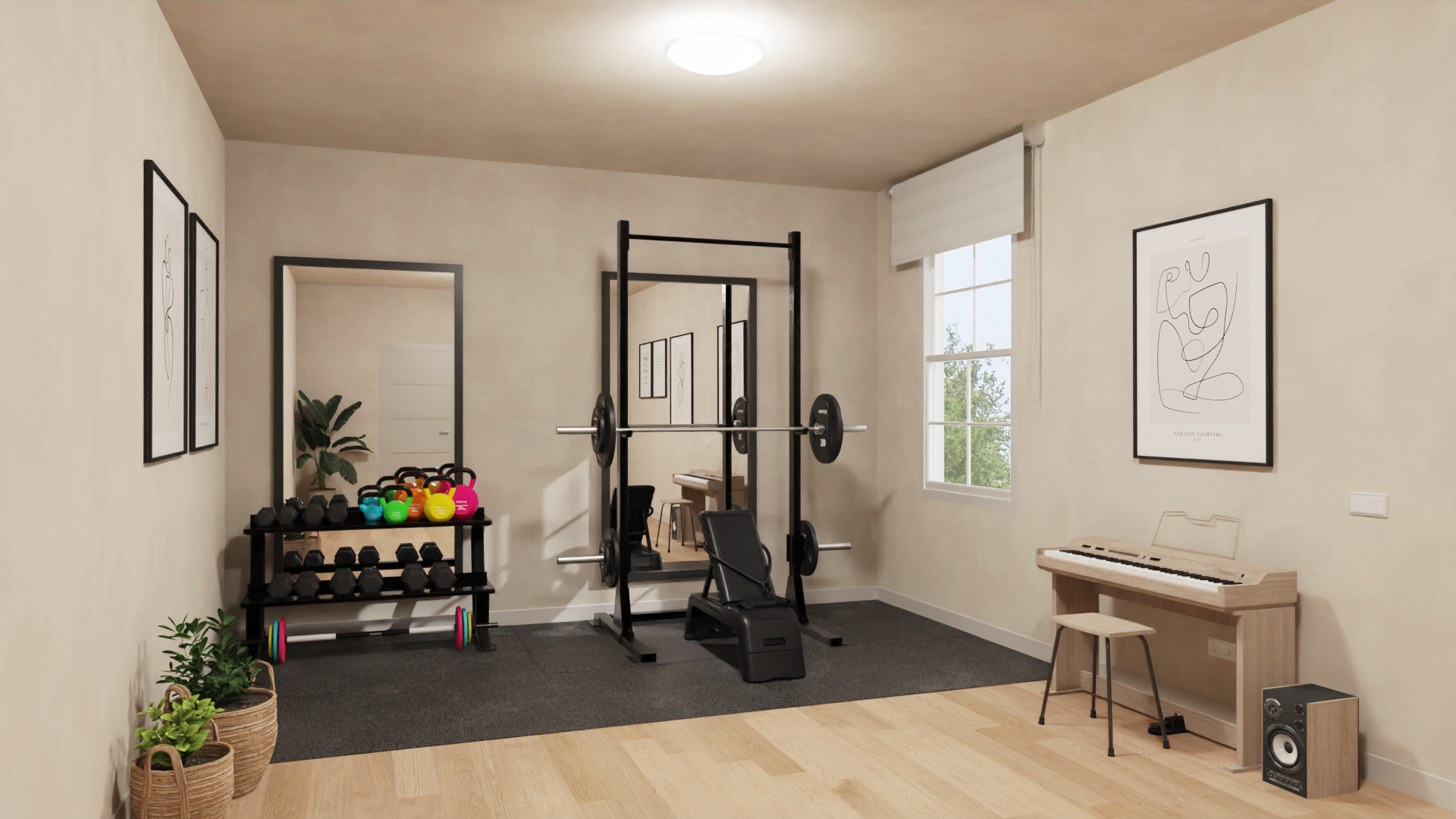
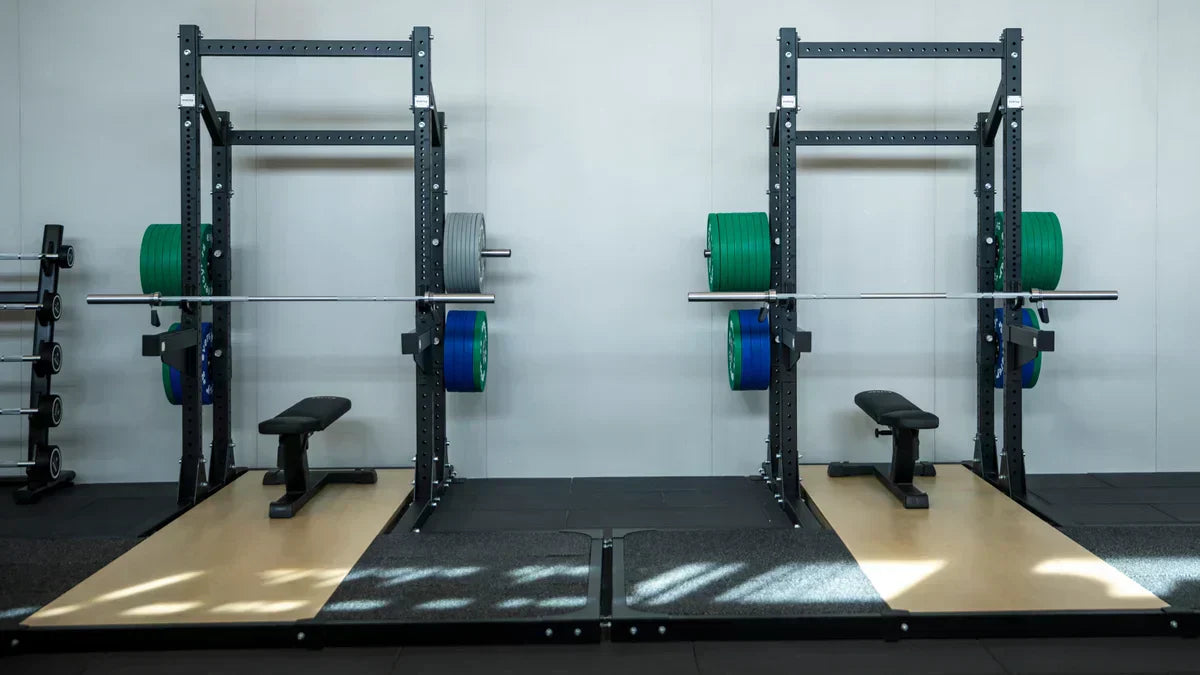
That is why the design of fitness spaces is not decoration. It's habit engineering: it eliminates useless decisions, reduces friction, and turns intention into routine.

The training experience
The training experience doesn't begin when you lift a dumbbell. It starts when you enter and, in seconds, your mind understands whether that place makes it easy for you or complicates it.
A well-thought-out space gives you:
- clarity (you know what to play and where),
- fluidity (you don't interrupt the rhythm),
- security (you move without doubts),
- and focus (less distraction, more presence).
This is what defines real premium fitness: not excess, but clarity. An environment that reduces noise and increases the quality of each repetition.

Checklist: space and material is important
If you want a better and smarter workout, it's important to keep this in mind about the space you attend:
light areas
Mobility / strength / cardio / calm down, even if it is in a well-defined corner.
Visible and accessible material
What is not seen is not used.
Order as standard
Not for aesthetics: for mental energy and continuity.
Quality
Few pieces, well chosen, well maintained.
That is the true design of fitness spaces oriented toward adherence.
Conclusion
Returning to training in January requires intention and patience: resuming consciously, understanding that the body readjusts and that consistency is built session by session.
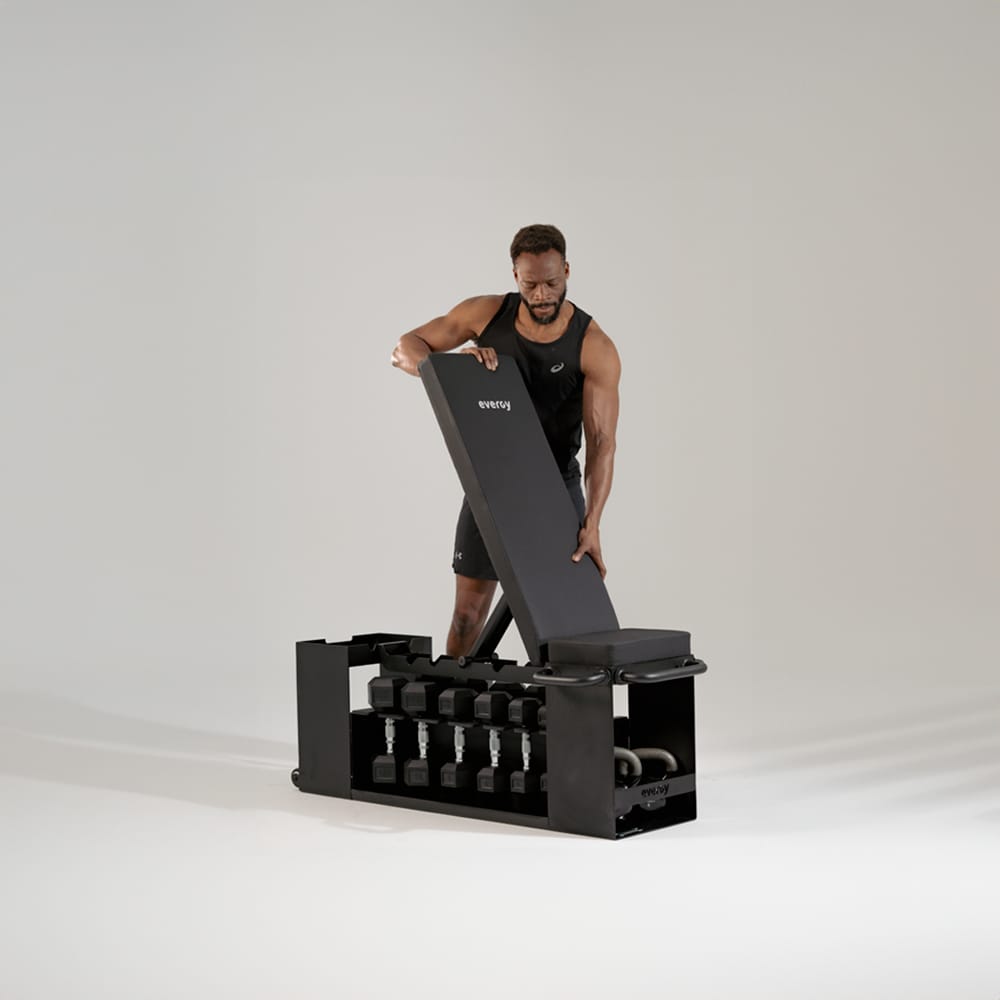
And here is the piece that makes the difference: the environment does have an influence. A well-thought-out space with good material, adequate flooring and clear storage reduces friction, maintains flow and makes training easier to repeat.
Because training with intention is choosing a purpose and a judiciously designed environment is what turns that course into a habit.

Leave a comment
All comments are moderated before being published.
This site is protected by hCaptcha and the hCaptcha Privacy Policy and Terms of Service apply.