







A good outdoor space doesn't just “look good”: it makes training feel better and last better. Not by magic, but because it reduces friction: less heat accumulated in the work area, shorter transitions, more air in movement and a distribution that allows you to maintain a stable rhythm without improvising.
And this matters because it's not just aesthetics: when indoor vs. outdoor sessions are compared in studies and reviews (equalizing intensity), outdoor exercise is usually associated with a more pleasant or positive experience in various conditions, which is key for consistency. (Noseworthy et al., 2023; Peddie et al., 2024).
Furthermore, in summer design is also prevention: consensus and positions on exertional heat illness highlight specific measures such as usable shade, access to water, breaks and progressive adaptation, because heat does not only affect "how you feel", but how your body responds during effort. (Armstrong et al., 2007; Roberts et al., 2023).
Choosing an outdoor space well is important for two reasons:
- Experience and perseverance: Outdoor exercise is usually perceived as more pleasant than indoor exercise when the intensity is equal, according to studies and reviews.
- Safety with heat: When the temperature rises, prevention (shade, water, breaks, adaptation) is part of the training design.

1) The quickest sign of a good outdoor
An outdoor is well distributed when understandable in 10 seconds:
- you know where you warm up,
- where you move (carries / trips),
- where you do “static” work (strength/control),
- and where you recover (shadow + water).
If you have to improvise every transition, space isn't helping.
2) Checklist: what an outdoor should have that “works”
A) Useful, non-decorative shadow
It is not enough to “have shade”: it has to be where you rest and where the session is reorganized. In preventing heat problems, speed to reduce thermal stress and manage breaks is key.
B) Real ventilation and “free air”
An outdoor with stagnant air becomes a pot. Search:
- open areas, without closed walls on all sides,
- natural currents,
- “buffer zone” option to recover.
C) Stable and predictable ground
People notice it without knowing how to explain it: if the floor slips or vibrates, the session becomes more tense. A stable floor improves safety and confidence.
D) Flow without crossings
Simple rule: what moves does not intersect with what it carries.
If there are carries/sleds/running, give them a clear lane. If there is strength/control, give them a quiet area.
E) Access to water and “real” breaks
On hot days, it is not an extra: it is part of the protocol.
3) How to know if the outdoor is well designed (without being an architect)
Look at these 5 “sensations”:
- You move without thinking (there are no mental obstacles).
- There are no strange waits (each season has its place).
- The session maintains its rhythm (transitions are short).
- You recover quickly (accessible shade/air/water).
- Space gives you calm (visual order = operational order).
4) The material also makes a difference (but not as a catalog)
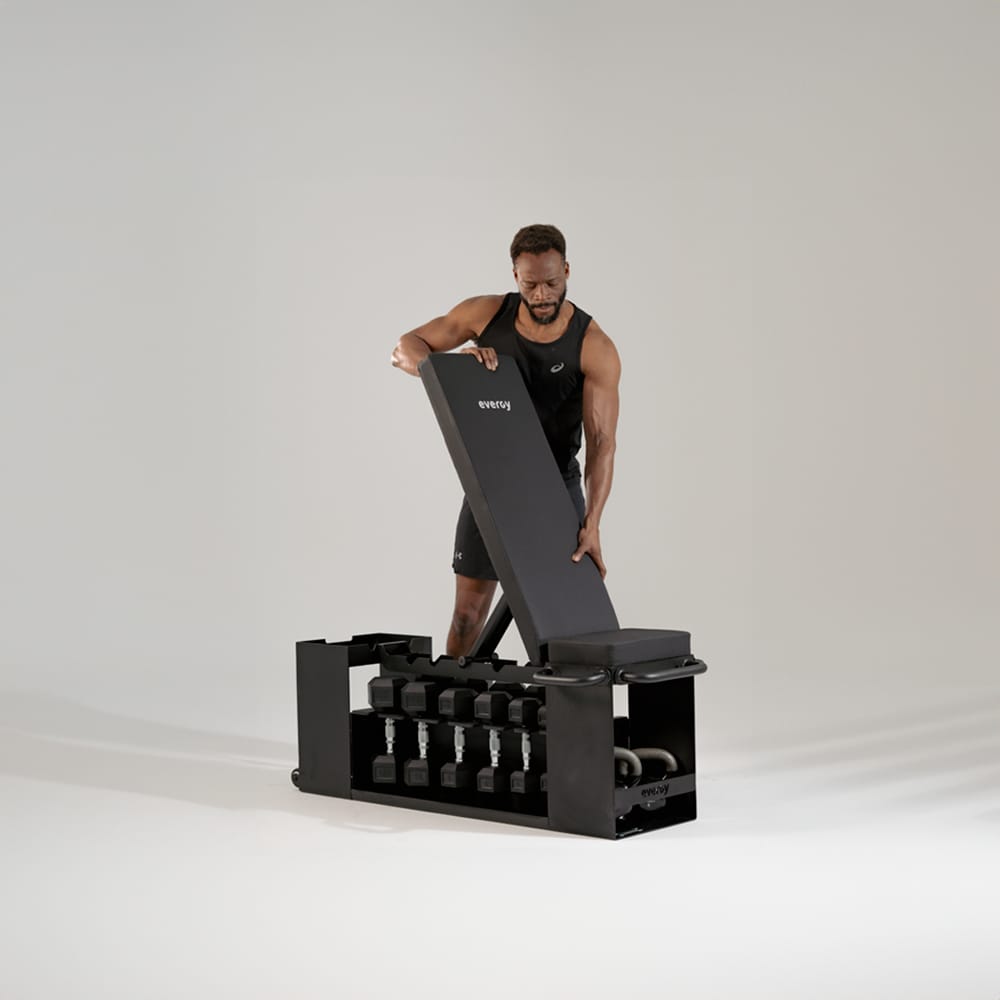
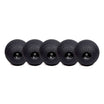
The material does not replace training, but it does reduce friction. In an outdoor, that means:
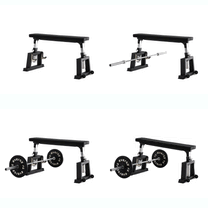
- stations that are set up quickly,
- grips that don't force you to readjust all the time,
- solutions that maintain order and coherence in space.
When the material accompanies, the user does not “fight” with the environment; just train.
5) Examples of spaces (outdoor + experience + evergy equipment)
If you want real references to inspire you (and understand how this translates to a project), these are some spaces where the outdoor approach and training experience are present:
-
Sportrade — A project where the outdoors is integrated as part of the center's overall experience.
https://evergyfitness.com/pages/sportrade -
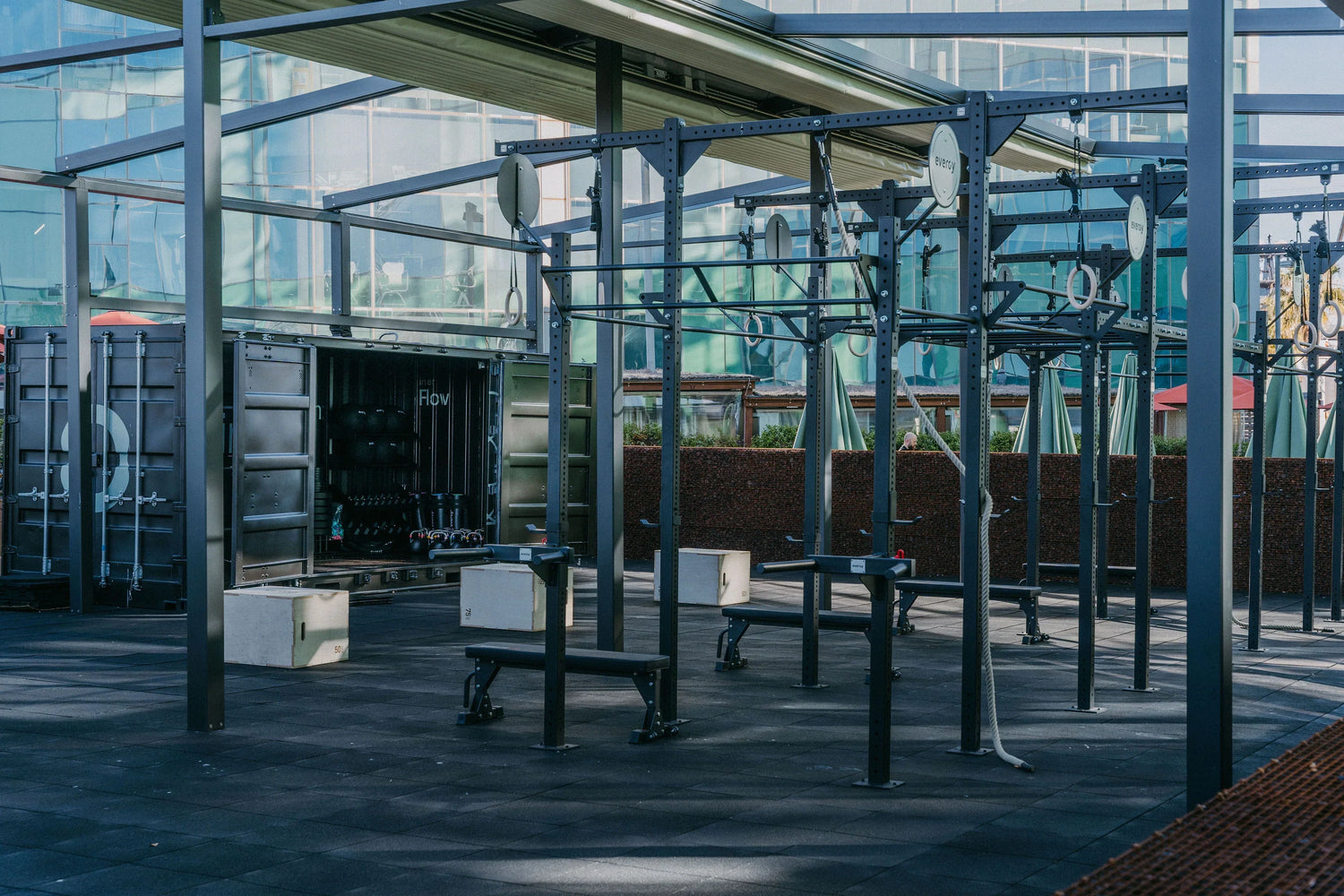
Inner Flow Studio (Barcelona) — “Backyard Box”: an outdoor space converted into a functional training area with structure and stations.
https://evergyfitness.com/en/pages/inner-flow-studio - Training Cube (cases and projects) — Page showing applications of the concept and linked projects, such as Aqua Sports Club. https://evergyfitness.com/en/pages/training-cube-evergy
6) Mini-guide: how to adapt training when it's hot
This is practical and direct:
- low density (more short pauses),
- keep technical quality,
- prioritizes sustainable rhythms,
- and watch for warning signs (dizziness, confusion, chills, headache, strange behavior).

Conclusion
Training in summer doesn't start in training: it starts in space. Light, shade, ventilation, soil and flow define whether the outdoors is lived as an experience that you want to repeat. And when the heat rises, judgment and prevention are part of the standard.
If you are evaluating an outdoor (for your center, your community or your project), the key question is not “does it look good?” It's: do you train well here?
Sources and references
- Noseworthy, M. et al. (2023). The Effects of Outdoor versus Indoor Exercise… (systematic review).
- Peddie, L. et al. (2024). Acute effects of outdoor versus indoor exercise…
- Roberts, W.O. et al. (2023). ACSM Expert Consensus Statement on Exertional Heat Illness.
- evergy – Sportrade project page.


Leave a comment
All comments are moderated before being published.
This site is protected by hCaptcha and the hCaptcha Privacy Policy and Terms of Service apply.