
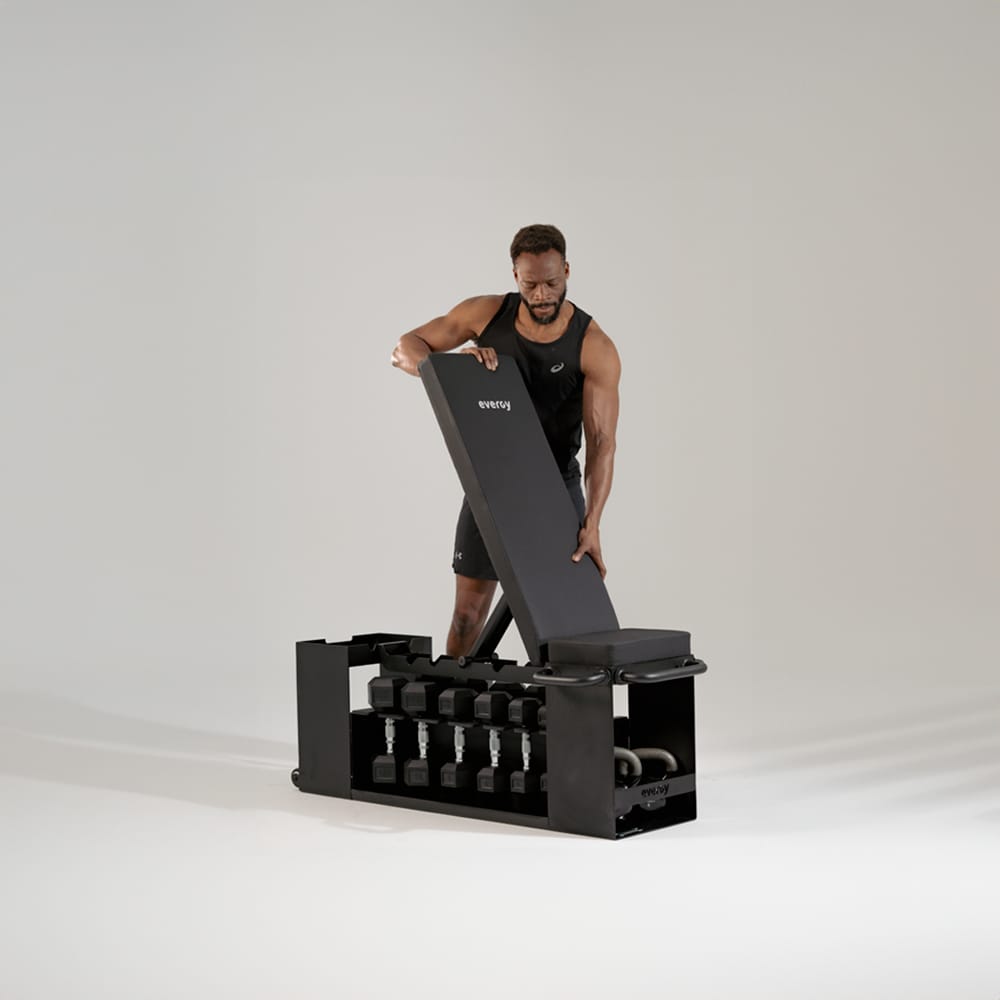




Training outdoors has something special: more space, more air, less feeling of “confinement”. But what really makes the difference is not just being outside, but how that outdoor is planned: if the space flows, if the material accompanies it and if the movement remains clean when the intensity increases. (Noseworthy et al., 2023).
Furthermore, evidence comparing outdoor vs. indoor exercise points to positive effects on psychological variables (such as well-being/mood) in many contexts, although results depend on the type of activity, population, and study design. (Noseworthy et al., 2023).

Benefits
- Outdoor can improve the psychological experience of exercise (e.g., enjoyment/mood), which helps maintain consistency in some people. (Gladwell et al., 2013; Noseworthy et al., 2023).
- A quality outdoor is designed with three pillars: space (flow) + material (reliability) + movement (intention). (Gladwell et al., 2013).
- Outdoors, safety is also designed: heat, hydration, shade and progression of effort really matter. (Armstrong et al., 2007; Roberts et al., 2023).
1) Why outdoor training feels different when it is well planned
The outdoors usually “wins” for two reasons: feeling and adhesion. There is literature on green exercise which suggests that the environment can encourage enjoyment and a willingness to repeat, and that is key because health and physical improvement depend more on continuity than on a perfect session. (Gladwell et al., 2013).
And when we talk about well-being, regular physical activity has broad benefits (physical and mental). The environment is not a substitute for training, but it can make training more “sustainable.” (WHO, n.d.)
2) Space: flow is what turns “out” into “works”
An outdoor should not feel like “loose material in a corner.” For people to want to train there, the space has to guide movement.
Three flow keys that elevate the experience:
- light areas (without interference): strength / conditioning / mobility.
- Short transitions: fewer meters lost, more useful time.
- Clean circulation: avoid crossings between loads, jumps and movements.
This isn't aesthetics: it's practical performance. The less operational friction there is (searching for things, waiting, dodging), the easier it is to maintain technique, rhythm and motivation. (Gladwell et al., 2013).

3) Material: quality, efficiency and care
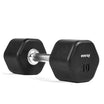
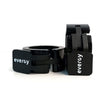
Good material is not just “prettier”. It is more comfortable, more stable and safer. And that translates into something very simple: you train with less extra tension.
When the grip feels good, the loads are comfortable to handle and each implement is designed for actual use (sweat, volume, exterior), the body stops “fighting” with the material. There is less friction, fewer awkward movements to adapt the gesture and more feeling of control. And that combination—control + fluidity—is what makes training feel better throughout your body, session after session.
In outdoors this matters even more because there are more variables: dust, ambient humidity, temperature changes and more intense use. Therefore, choosing the material well is not a detail: it is what turns the outdoors into an experience that you want to repeat.
Material (evergy) to set up a complete outdoor
-
Crosstraining sense (global vision of the line)
https://evergyfitness.com/pages/crosstraining-sense -
Sense sled (conditioning and movements)
https://evergyfitness.com/collections/trineo-sense -
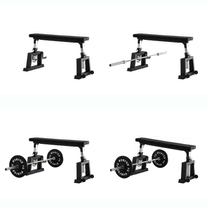
Sense bars (base for strength and technical work)
https://evergyfitness.com/collections/barras-sense -
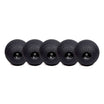
Sense discs (loads and transitions)
https://evergyfitness.com/collections/discos-sense -
sense accessories (complete stations)
https://evergyfitness.com/collections/accesorios-sense -
Agility sense (coordination, speed, reaction)
https://evergyfitness.com/en/collections/sense-agility

4) The most efficient way to design an outdoor
If your goal is for the outdoors to be usable for different profiles (classes, PT, free use), think about seasons. Stations tidy up the space, improve flow, and make the session easy to explain.
Three “core” stations (the most versatile)
Station A — Force/Control
To lift with quality, without rushing.
- Bar + discs or dumbbells/kettlebells
- Focus: technique, stability, progression
Station B — Conditioning / Displacement
To raise heart rate and work on power/condition.
- Sled, drags, carries, jumps (depending on space)
- Focus: rhythm and consistency
Station C — Agility / Core / Reset
To coordinate, stabilize and “close the circle” of movement.
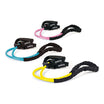
- Agility (ladder, cones) + core + short mobility
- Focus: control, coordination, fatigue prevention
How to distribute them (simple rules)
- Separation by nature of movement: strength in stable zone; conditioning with “lane” or route; agility/core in clean zone.
- Short transitions: the next station always visible.
- Material where used: Don't force yourself to walk for every change.
- Buffer zones: 1–2 spaces to hydrate and recover without blocking the circuit.
Session formats by stations (very practical)
Option 1: circuit by time (for classes)
3 stations × 6–8 min + 1 min transition → 21–27 min total.
Ideal for groups: orderly, scalable and with rhythm.
Option 2: stations + finisher (for premium experience)
20 min main block (strength or technique) + 10 min soft circuit by stations.
Ideal for the client to feel progress + enjoyment.
Option 3: open stations (free use)
Each station has a “menu” of 3 options (basic/intermediate/advanced) and the user chooses.
Ideal for hotels, residential or community areas.

6) Outdoors in summer: practical prevention to train safely
Outdoors, heat and humidity can increase physiological stress and increase the risk of heat-related problems, especially during intense or long sessions. Therefore, prevention is not an extra: it is part of the service design. (ACSM, 2007).
The guidelines and consensus on exertional heat illness emphasize specific measures: hydration, rest, progressive adaptation and intensity adjustment according to environmental conditions. (Roberts et al., 2023).
Preventive checklist (for coaches, centers and outdoor spaces)
Before
- Shadow or respite area available (even if partial). (Roberts et al., 2023).
- accessible water and hydration reminders. (Roberts et al., 2023).
- Choose reasonable schedules (avoid temperature peaks when possible). (ACSM, 2007).
During
- Keep intense blocks shorter and real breaks when the heat hits. (ACSM, 2007).
- Prioritize “sustainable pace” instead of prolonged maximum efforts. (Roberts et al., 2023).
- Be attentive to warning signs: dizziness, chills, confusion, headache, very hot skin. (ACSM, 2007).
After
- 3–5 min back to calm in shade, hydration and recovery. (Roberts et al., 2023).
How to adapt training when it's very hot
- Low density (more rest), not necessarily quality.
- Reduce the volume of jumps and long maximum efforts.
- Switch to more “controlled” stations (carries, moderate sledding, core, mobility).
- Adjust for RPE: If the group can't speak short sentences, you're in too high a zone for the heat of the day.


Leave a comment
All comments are moderated before being published.
This site is protected by hCaptcha and the hCaptcha Privacy Policy and Terms of Service apply.