
















We live surrounded by stimuli: screens, metrics, rush, “more and more” in each session. In that context, conscious training is not a fad: it is a way to get back to what is important: moving well, breathing better and training with focus so that progress is sustainable. (Bull et al., 2020).
The paradox is simple: the more noise you put into training (more stimuli, more hurry, more “everything”), the easier it is to lose quality. And when quality goes down, consistency goes down. (Soligard et al., 2016).
1) What is “conscious training” (and what it is not)
Conscious training It is training with clear intention and attention to what matters: posture, breathing, rhythm, range, control and quality of repetition. It is not “yoga with weights” or lowering intensity by system. (Wang et al., 2023).
It is not training without metrics either: it is choosing a few useful metrics that do not take you out of the present. The objective is not to accumulate stimuli, it is to accumulate progress. (Ericsson, 2008).
2) Less noise: where quality is lost in practice
“Noise” in fitness usually enters in three ways: too many variables in the same session, constant changes without direction, and external stimuli that break focus (screens, interruptions, chaos in space). (Soligard et al., 2016).
When there is noise, a typical signal appears: the session becomes a succession of small decisions (what weight, what station, what variation, what rhythm) that consume mental energy and end up affecting technique. (Ding et al., 2025).

3) Fitness with purpose: 5 principles to train better
1) One intention per session
Choose a main goal: technique, strength, aerobic base, mobility or power. If everything is a priority, nothing is. (ACSM, 2009).
2) Few metrics, well chosen
A primary marker (for example, RPE or quality reps) and a secondary marker (time, load or density). Enough to learn, not to distract you. (Ericsson, 2008).
3) Rhythm before ego
Most sustainable improvements come from repeating good reps, not from one heroic session. Load management and continuity matter more than the occasional peak. (Soligard et al., 2016).
4) Breathing as a “metronome”
Breathing gives you real feedback: if you can't maintain respiratory control in a block that should be “technical,” you're overdoing it. Attentional control and stress regulation are common mechanisms in interventions based on mindfulness in sport. (Cao, 2026).
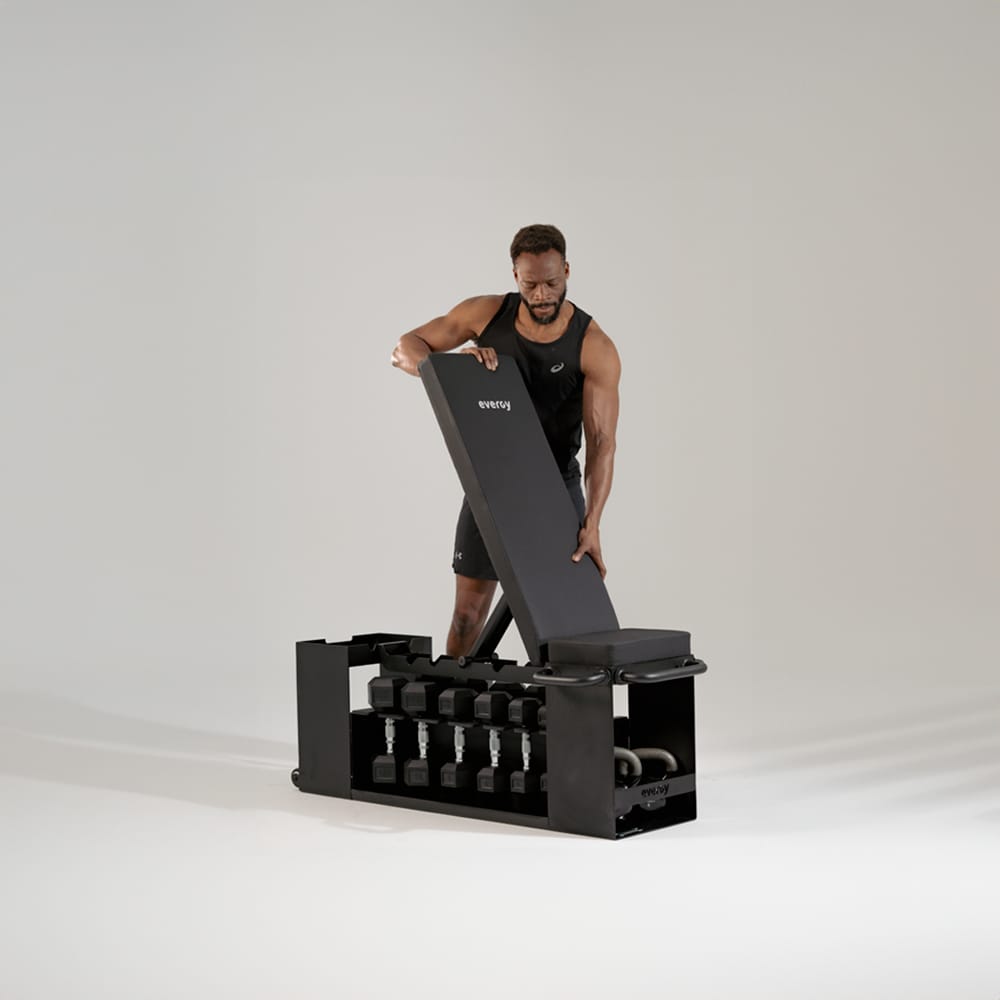
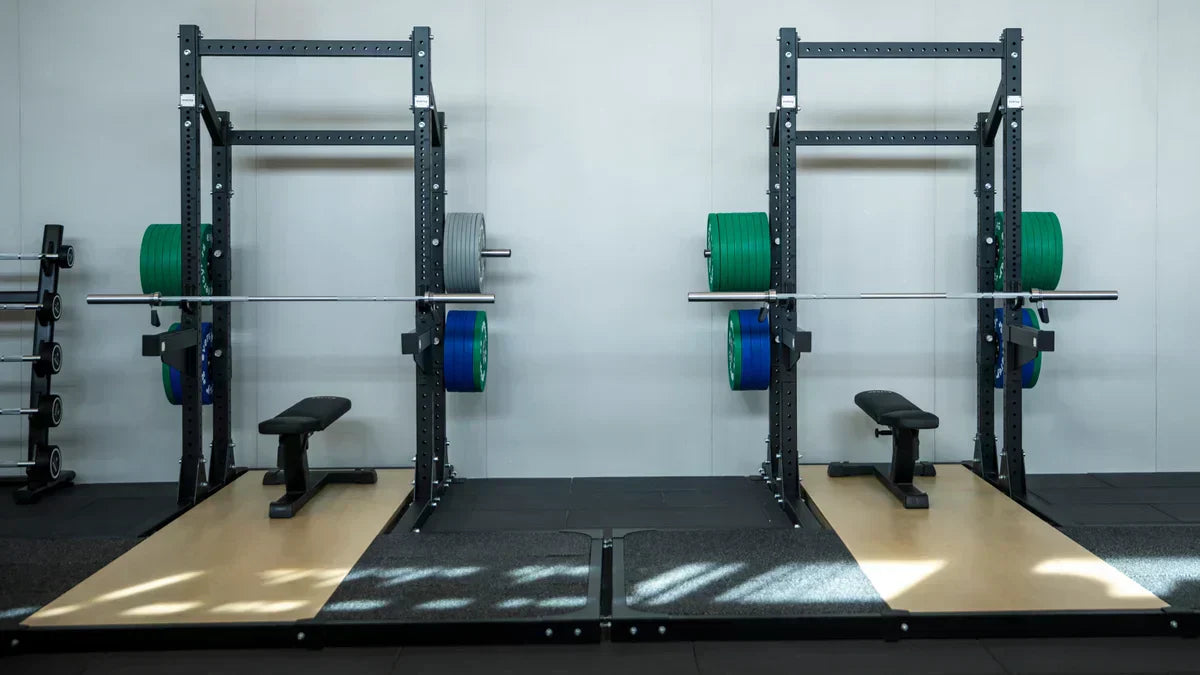
5) A helpful environment
Order, flow and clarity reduce friction: fewer interruptions, more focus. A well-planned space makes it easier to train with purpose. (Soligard et al., 2016).
4) Wellbeing and fitness: quality is also health
Purposeful fitness not only seeks performance: it seeks well-being. Regular physical activity is associated with physical and mental benefits, including reduced symptoms of anxiety and depression and improved overall well-being. (WHO, 2024).
In addition, the guides recommend combining aerobic activity and strength work throughout the week: you don't have to live in “intense mode” to be in shape; consistency and structure are needed. (Bull et al., 2020).

5) An example session (45–60 min) with a “quality” focus
Landing (3 min)
Gentle nasal breathing + quick body check: shoulders, hips, feet. (Cao, 2026).
Technical block (12–15 min)
One main pattern (squat/hinge/press/pull) with short, perfect sets. The goal is to repeat with feedback, as deliberate practice. (Ericsson, 2008).
Main block (15–20 min)
Strength or capacity, but with a clear slogan: “same tempo”, “same range”, “same rest”. Progression is built by intentionally manipulating variables. (ACSM, 2009).
Closing (5–8 min)
Brief mobility + breathing to lower revolutions. Keeping exercise enjoyable and sustainable is related to adherence to mindfulness approaches in movement. (Liu et al., 2025).
6) Common mistakes
-
Train “in a hurry”: technique that is shortened, breathing triggered, and the body compensating. (Soligard et al., 2016).
-
Change the plan every day: without repetition there is no learning or measurable improvement. (Ericsson, 2008).
-
Confuse intensity with quality: Uncontrolled intensity usually creates variability and accumulated fatigue that takes you out of focus. (Soligard et al., 2016).
Quick checklist for “quality training”
-
Do I know what today's goal is in one sentence? (ACSM, 2009).
-
Am I repeating a pattern with real feedback? (Ericsson, 2008).
-
Is my breathing consistent or is it screaming at me to slow down? (Cao, 2026).
-
Does the space help me (order/flow) or distract me? (Soligard et al., 2016).

Conclusion
Conscious training is choosing less noise to achieve more quality: moving with intention, holding focus and repeating what works. That's fitness with purpose: training that improves you inside and out, without relying on excess. (WHO, 2024).
At evergy we understand fitness as a complete experience: quality of movement, clarity of the environment and a standard that invites you to return.


Leave a comment
All comments are moderated before being published.
This site is protected by hCaptcha and the hCaptcha Privacy Policy and Terms of Service apply.